Frozen food is becoming a more intentional part of the weekly shop. We believe the next enduring brands will pair restaurant-quality products with disciplined operations and repeatable consumer demand.
At a glance
The investment case
- Frozen is increasingly part of planned meals, with 77% of surveyed shoppers buying frozen for a particular meal or day.
- The category is not moving as one market. Vegetables and handheld treats are growing while several legacy meal categories are declining.
- The opportunity belongs to brands that combine product quality, clear positioning, strong velocity, and margins that support durable growth.
A bigger role in the weekly shop
Frozen food has moved beyond the role of emergency backup. In the American Frozen Food Institute and FMI's 2025 shopper research, 77% of respondents said they bought frozen food with a particular meal or day in mind, up from 71% in 2023. Forty percent used frozen foods daily or every few days, compared with 35% in 2019.
That change matters because it suggests a broader role for the aisle. Consumers are not only keeping frozen products on hand. They are deliberately using them to solve for busy weeknights, reliable portions, reduced preparation, and less waste. Seventy-one percent of respondents also said they looked for new frozen items, evidence that the aisle can support discovery as well as convenience.
The strongest frozen brands do not ask consumers to trade quality for convenience. They make convenience part of the quality proposition.
Category growth is uneven
The headline category is large, but its subcategories are moving in different directions. In Nielsen's latest 52-week data cited in our September 2026 report, handheld treats grew 5.6%, frozen vegetables grew 2.0%, and ice cream grew 1.4%. Complete meals grew 0.5%. Whole pizza declined 2.2% and main courses declined 3.1%.
Scale remains substantial. Frozen vegetables generated approximately $3.58 billion in measured annual sales, complete meals $5.30 billion, and whole pizza $5.47 billion. For investors and founders, the implication is simple: a large aisle is not a thesis on its own. The specific occasion, consumer, product experience, and competitive set matter more than the freezer door around them.
Premium meals for busy weeknights
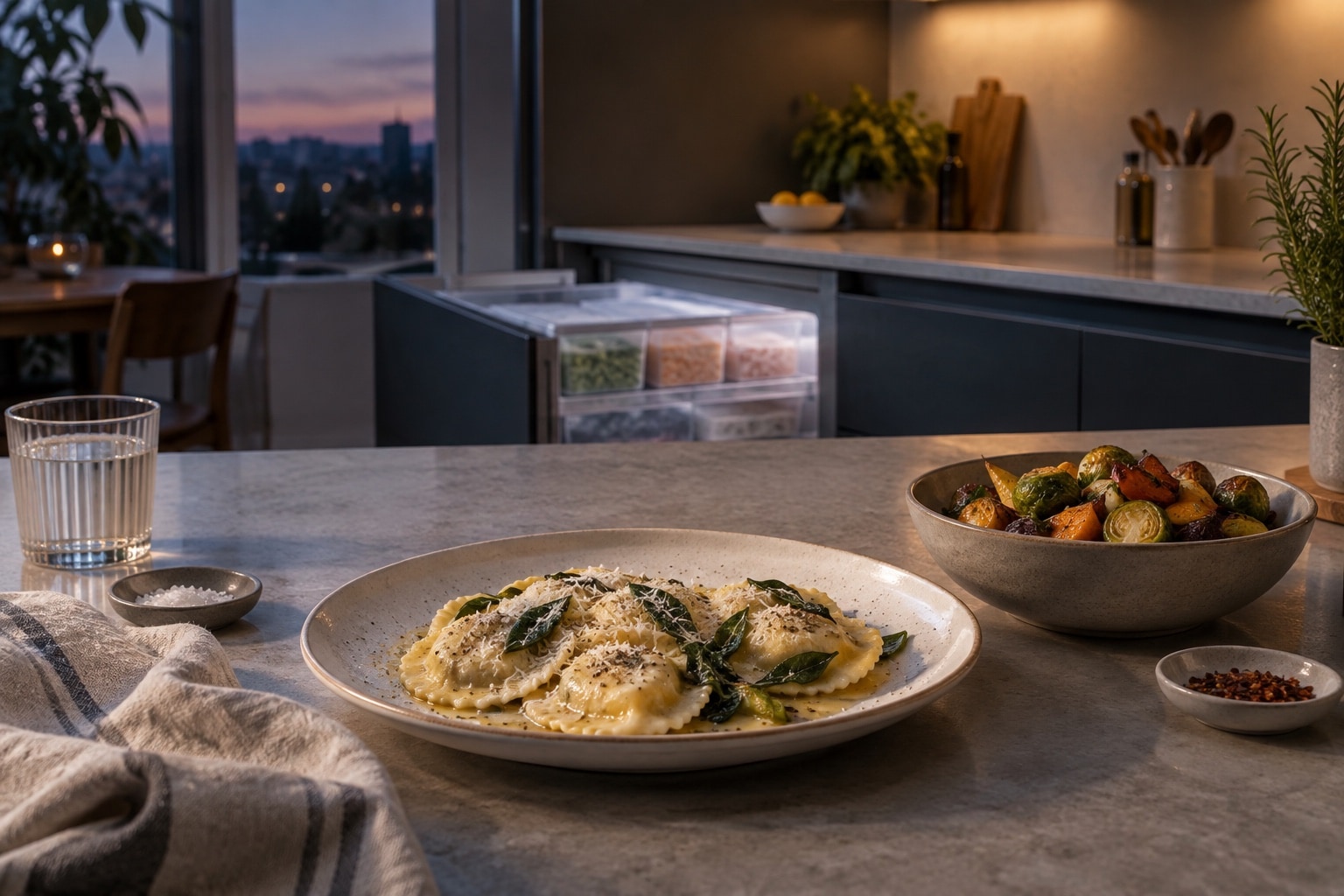
Premium frozen meals can meet a clear tension. Consumers want food that feels thoughtful and specific, but many weeknights do not allow for a long preparation window or a restaurant visit. The brands creating the most interest are bringing recognizable culinary points of view into formats that are easy to keep, prepare, and repeat.
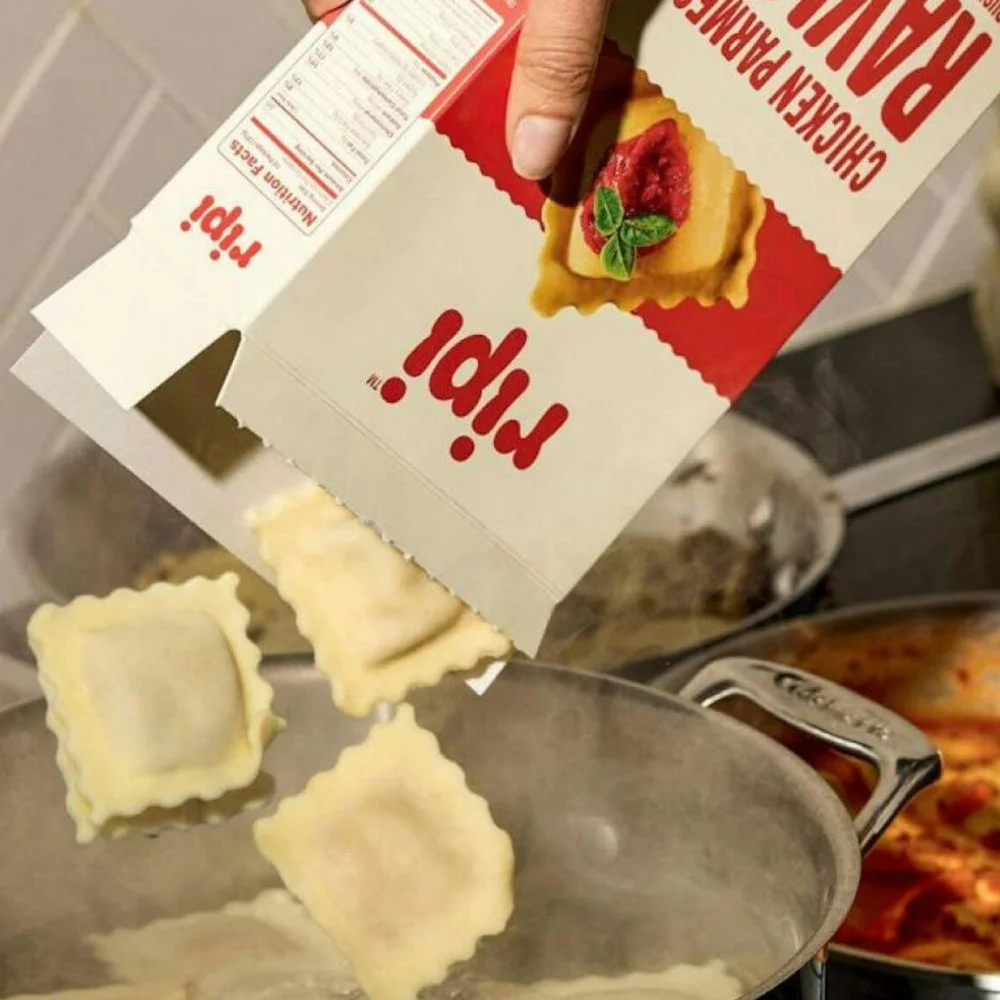
We see that across companies such as Deep Indian Kitchen, MìLà, Laoban, and Ripi Foods. The products and cuisines differ, but the operating question is the same: can the brand preserve the quality that earns the first purchase while building the supply chain, merchandising, and unit economics that support the hundredth?
Vegetables deserve more imagination
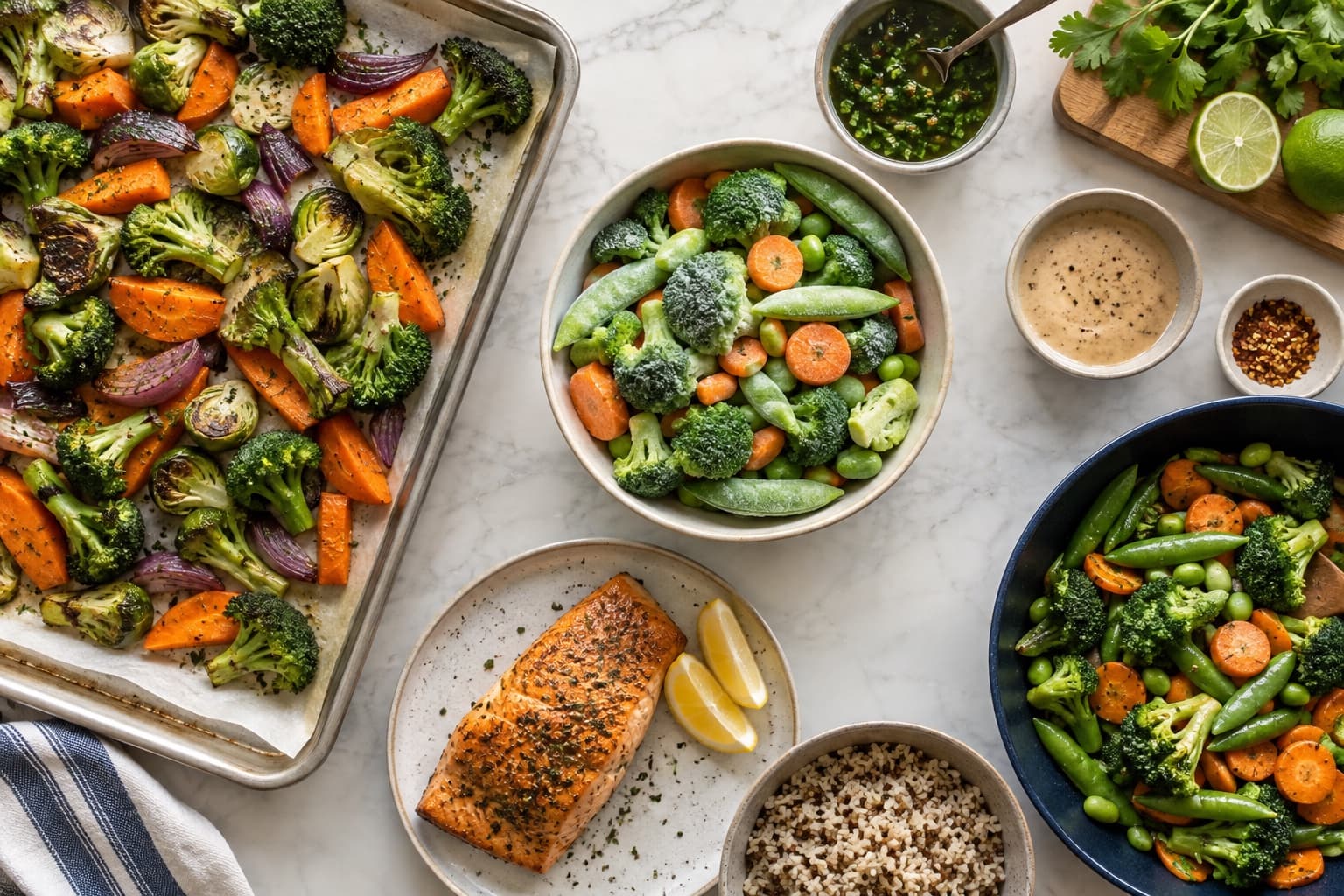
Frozen vegetables generated approximately $3.58 billion in annual measured sales and grew 2.0% year over year in the data reviewed for our report. Growth accelerated to 7.0% in the latest four-week period. We believe the opportunity is larger than another undifferentiated bag of a familiar commodity.
Texture, seasoning, dependable preparation, and a clear meal role can turn a staple into a product consumers seek out. The economic test remains important. A brand needs repeat behavior at regular price, not only trial driven by promotion, and enough operational discipline to deliver consistent quality across production runs.
Ice cream is a crowded proving ground
Ice cream remains enormous, with approximately $8.93 billion in measured annual sales, while handheld frozen treats account for approximately $8.87 billion and grew 5.6% in the period reviewed. The category has room for distinct products, but novelty alone is rarely enough.
Taste has to lead. Packaging and brand can open the door, yet repeat comes from the product itself. Winning brands also need disciplined SKU expansion, clear channel roles, and a credible reason for retailers to make room in a freezer that already contains deeply established competitors.
What we need to see before investing
We begin with velocity and repeat. The product should earn demand without permanent promotional support, and the packaging should communicate the occasion and value quickly. We then look for an operating model that can expand without eroding the customer experience.
Margins deserve special attention. In our experience, frozen gross margins below roughly 20% are difficult to underwrite because freight, storage, manufacturing variability, and retailer economics leave too little room for error. Outside frozen, we generally view roughly 40% as a more workable lower bound. These are not universal rules, but they are useful screens for whether growth can become durable.
Finally, we look for a focused team. The best founders know which consumer problem they are solving, where the next unit of distribution creates real learning, and which complexity can wait. Ripi Foods is a current Cutting Horse investment and one example that informed our work on this thesis.
- Clear product quality that survives the frozen format
- Strong velocity and regular-price repeat
- Packaging that makes the occasion obvious at the shelf
- Margins and operations that can support expansion
- A disciplined sequence for channels, SKUs, and capacity
Sources and methodology
This article is adapted from the September 2026 Cutting Horse report, The Case for Investing in Frozen. Shopper statistics are drawn from AFFI and FMI research based on a survey of 1,560 U.S. consumers. Category sales and growth figures come from Nielsen data for the periods and retail universe cited in the report. Company and financing examples are illustrative, not a complete market map.
Market data changes over time and should be read as a snapshot. Nothing in this article is investment advice or a promise about the performance of any company or category.
Source notes
Public materials consulted
These links support the factual company references in this perspective. The interpretation is Cutting Horse's point of view, not a statement from the linked companies.
- AFFI and FMI, Frozen Food Shopper Behavior Report
- Nielsen category data cited in the September 2026 Cutting Horse report
- Ripi Foods, Our Story
- MìLà, company website
- Food Business News, Laoban funding coverage